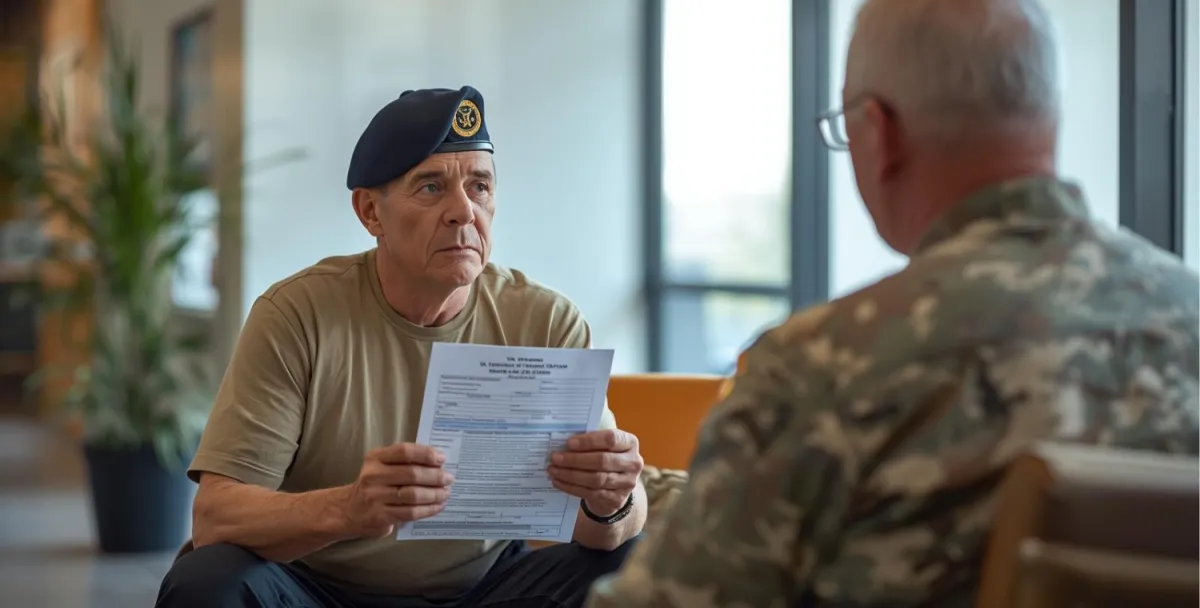
The Power of the Buddy Letter: How Lay Evidence Can Save Your VA Claim
Your medical records are your most powerful weapon in the battle for the VA disability rating you are entitled to. However, those records are frequently scant or do not fully document the ways in which an illness affects your day-to-day activities. The Buddy Letter, which is formally referred to as a Statement in Support of a Claim, changes everything at this point. An essential piece of lay evidence to bolster your claim is a VA buddy letter (VA Form 21-10210), which offers personal recollections of events, symptoms, or ailments that might not be fully recorded in official service medical records.
1. What is a Buddy Letter?
A buddy letter is a written statement from a friend, parent, spouse, or fellow military member who can provide personal stories about your condition. This is considered "lay evidence" by the VA. It is a valid method of bridging the gap between your daily struggles and what a doctor observes during a brief clinical examination. To make sure the VA accepts it as legitimate legal evidence, it is strongly advised to use the official VA Form 21-10210.
2. Why Lay Evidence Matters
The "lack of service connection" is a common reason why the VA rejects claims. This crucial connection is established by a buddy letter by:
Proving an In-Service Event: A fellow soldier may attest to seeing a traumatic incident or injury that was never documented in your official service file, such as those outlined in PTSD buddy letter examples.
Demonstrating Chronicity: A spouse or long-term partner can explain how symptoms have gotten worse or remained the same over time.
Explaining Functional Loss: A friend can describe how your illness affects your capacity to engage with loved ones or engage in once-enjoyed pastimes, while a doctor records clinical data.
3. Who Should Write Your Buddy Letter?
Battle Buddies: Perfect for verifying battle pressures or certain incidents involving duty.
Spouses/Partners: Most effective for describing the daily impact of PTSD, sleep apnea, or chronic pain on home life.
Coworkers and employers: Essential for demonstrating how a condition impairs your ability to execute your job duties, which is critical for TDIU and VA disability compensation claims.
4. The 4-Part Framework for a Winning Statement
Writers should adhere to a planned method to guarantee that the letter is authoritative and helpful to a VA Rater:
The Relationship: Clearly indicate how long and in what capacity the writer has known you.
The Observation: Instead of using hearsay, use "I saw" or "I remember" to give precise, first-hand accounts of what the writer experienced firsthand.
The Impact: Explain noticeable modifications in conduct, disposition, or physical prowess.
The Certification: For the letter to be considered legitimate, it needs to bear an official signature and date.
Conclusion: Bringing the Pieces Together
Building a comprehensive picture of your service and sacrifice is essential to winning a VA claim. Buddy Letters offer the context that humanizes the clinical data, while medical records supply the clinical data. Local Veterans Service Officers (VSOs) can help you examine these statements to make sure they are effective if you live in the Virginia Beach region. This library offers more thorough instructions on how to use buddy statements to back up your claims. Let your community speak for you and don't let "missing records" be the reason your claim is rejected.